Table of Contents
ToggleImagine stepping into a bedroom that feels like a cozy hug after a long day. A sleep-friendly bedroom isn’t just a luxury; it’s a necessity for anyone who wants to wake up feeling like a superhero instead of a grumpy troll. With the right tweaks, your space can transform from a chaotic mess to a serene sanctuary where sweet dreams are born.
From the perfect mattress that cradles you like a cloud to lighting that whispers “sleep,” creating an inviting atmosphere is easier than you think. Say goodbye to tossing and turning and hello to restful nights filled with peaceful slumber. Let’s dive into the essential elements that make a bedroom not just a place to crash but a haven for rejuvenating sleep.
Understanding A Sleep-Friendly Bedroom
Creating a sleep-friendly bedroom significantly impacts overall well-being and sleep quality. A well-designed space promotes relaxation and restorative rest.
Importance Of Sleep Environment
A calming sleep environment contributes to improved sleep quality. Research shows that people fall asleep faster in peaceful settings. Noise, light, and temperature directly influence comfort levels. Excess noise can disrupt sleep cycles, while bright light reduces melatonin production. Maintaining a cool, dark, and quiet space supports uninterrupted sleep. Thus, investing time and effort in a suitable sleep environment becomes essential for overall health.
Key Elements Of A Sleep-Friendly Bedroom
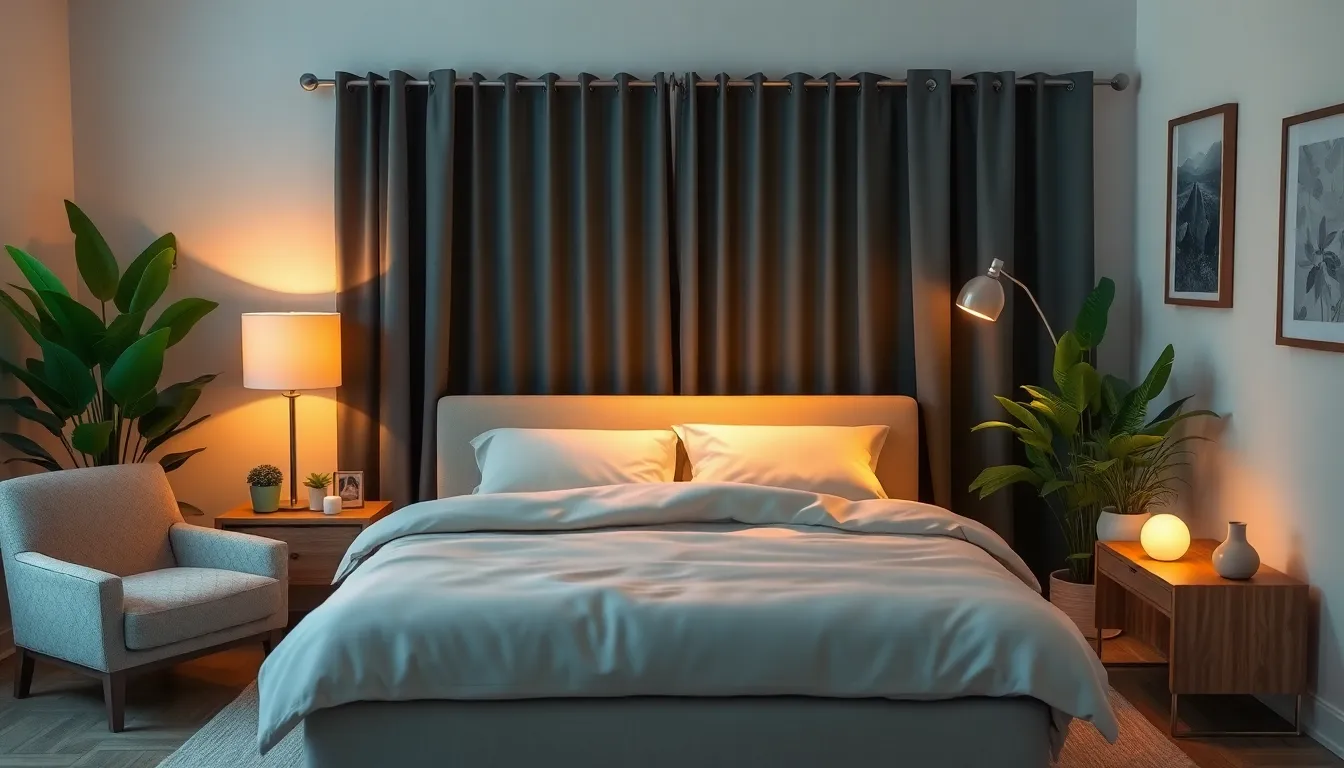
Selecting quality bedding significantly enhances sleep comfort. A supportive mattress, along with comfortable pillows, cushions the body and aids alignment. Soft, breathable sheets create a cozy atmosphere. Beyond bedding, controlling light levels proves crucial. Utilizing blackout curtains effectively blocks outside light. Additionally, incorporating adjustable lighting promotes relaxation. Organizing the space by reducing clutter enhances tranquility. A well-arranged bedroom fosters a sense of calm, facilitating restful sleep. Prioritizing these key elements cultivates a serene environment that supports healthy sleeping patterns.
Bedroom Design Tips For Better Sleep
A thoughtfully designed bedroom significantly enhances sleep quality. Consider the following elements to foster a relaxing environment.
Color Schemes That Promote Relaxation
Soft hues such as blues, greens, and neutrals create a calming atmosphere. These colors reduce anxiety and promote tranquility. Warm shades, like soft yellows or light peaches, can also add warmth without being overstimulating. Ensuring that wall colors have a muted tone helps maintain a serene feel. Incorporating accents in these colors through bedding and artwork can enhance visual appeal and maintain consistency.
Furniture Arrangement For Optimal Comfort
Arranging furniture thoughtfully contributes to overall comfort. Place the bed in a position that maximizes natural light while minimizing distractions. Allow for enough space to navigate comfortably without obstruction. Prioritize the location of the nightstands and lamps for easy access while in bed. Soft edges on furniture can also enhance safety and comfort. Add supportive seating for reading or relaxing beside the bed to create a multifunctional space that encourages rest.
Choosing The Right Bedding
Selecting the right bedding significantly enhances sleep quality. Proper choices in mattresses and pillows directly contribute to a restful environment.
Mattress Selection For Quality Sleep
Mattress choice directly affects comfort and support. A medium-firm mattress generally balances softness and support, catering to most sleeping positions. Research shows that memory foam mattresses reduce pressure points, improving overall sleep quality. Many people find that hybrid mattresses, combining coils and foam, offer optimal support and breathability. Testing a mattress is crucial; laying down for at least 10 minutes helps individuals assess comfort. Replace a mattress every 7 to 10 years, ensuring continuous support for restful sleep.
Pillow Options For Neck Support
Choosing the right pillow is vital for neck alignment. Different materials, such as memory foam, latex, or down, provide various levels of support. Memory foam pillows contour to the neck, offering comfort for back and side sleepers. Adjustable pillows allow users to customize height and firmness based on preferences. Firmness plays an essential role; generally, firmer pillows support side sleepers, while softer options work for stomach sleepers. Replacing pillows every 1 to 2 years keeps the sleeping environment fresh and hygienic.
Managing Bedroom Ambiance
Achieving the right bedroom ambiance plays a vital role in sleep quality. Key elements include lighting and sound management.
Lighting Solutions For A Calm Space
Soft, adjustable lighting enhances comfort. Layered lighting approaches, such as bedside lamps and overhead fixtures, create a calm atmosphere. Dimmers help personalize brightness levels, allowing individuals to transition into sleep more easily. Warm-toned bulbs mimic natural light, fostering relaxation. Blackout curtains block outside light, promoting deeper slumber. Incorporating light-blocking shades can also reduce disturbances from streetlights. Nightlights can aid in navigation while maintaining a soothing vibe. Using these strategies cultivates a serene space that encourages restful sleep.
Soundproofing Techniques To Reduce Noise
Minimizing noise contributes significantly to a restful environment. Soundproofing techniques, such as adding weather stripping to doors, prevent unwanted disturbances. Thick rugs absorb sounds, providing both aesthetic appeal and acoustic benefits. White noise machines can mask disruptive noises and help individuals drift off. Additionally, soundproof curtains not only block light but also dampen sound. Positioning furniture strategically, like placing bookshelves against shared walls, can further reduce noise transfer. Emphasizing quieter zones enables deeper, uninterrupted sleep, enhancing overall well-being.
Personalizing Your Sleep Space
Creating a personalized sleep space enhances comfort and relaxation. Several elements contribute to this tranquil environment, allowing for better sleep quality.
Incorporating Aromatherapy
Aromatherapy promotes relaxation and improves sleep quality. Essential oils like lavender, chamomile, and bergamot can calm the mind and reduce anxiety. Diffusers distribute soothing scents throughout the room, creating a pleasant atmosphere. Spraying pillow mist before sleep adds an extra layer of tranquility. Choosing quality oils and using them consistently provides a significant boost to the overall sleep experience.
Adding Calming Decor
Calming decor plays a vital role in crafting a peaceful bedroom. Soft textures, such as plush throws and cushions, invite comfort and warmth. Wall art featuring serene landscapes or abstract designs can instill a sense of calm. Incorporating houseplants, like snake plants or peace lilies, not only purifies the air but also enhances visual tranquility. Selecting a color palette of soft blues, greens, or neutrals ensures a relaxing ambiance, making the space more conducive to restorative sleep.
Creating a sleep-friendly bedroom is vital for achieving restorative rest and overall well-being. By focusing on the right elements such as mattress quality lighting and decor individuals can transform their sleep space into a haven of tranquility. Simple changes like optimizing temperature reducing clutter and incorporating soothing colors can significantly enhance the sleep experience.
Personal touches like aromatherapy and calming decor further contribute to a peaceful atmosphere. Prioritizing these aspects not only promotes better sleep but also fosters a sense of relaxation and comfort. Investing time and effort into designing a sleep-friendly environment ultimately pays off in improved sleep quality and daily vitality.