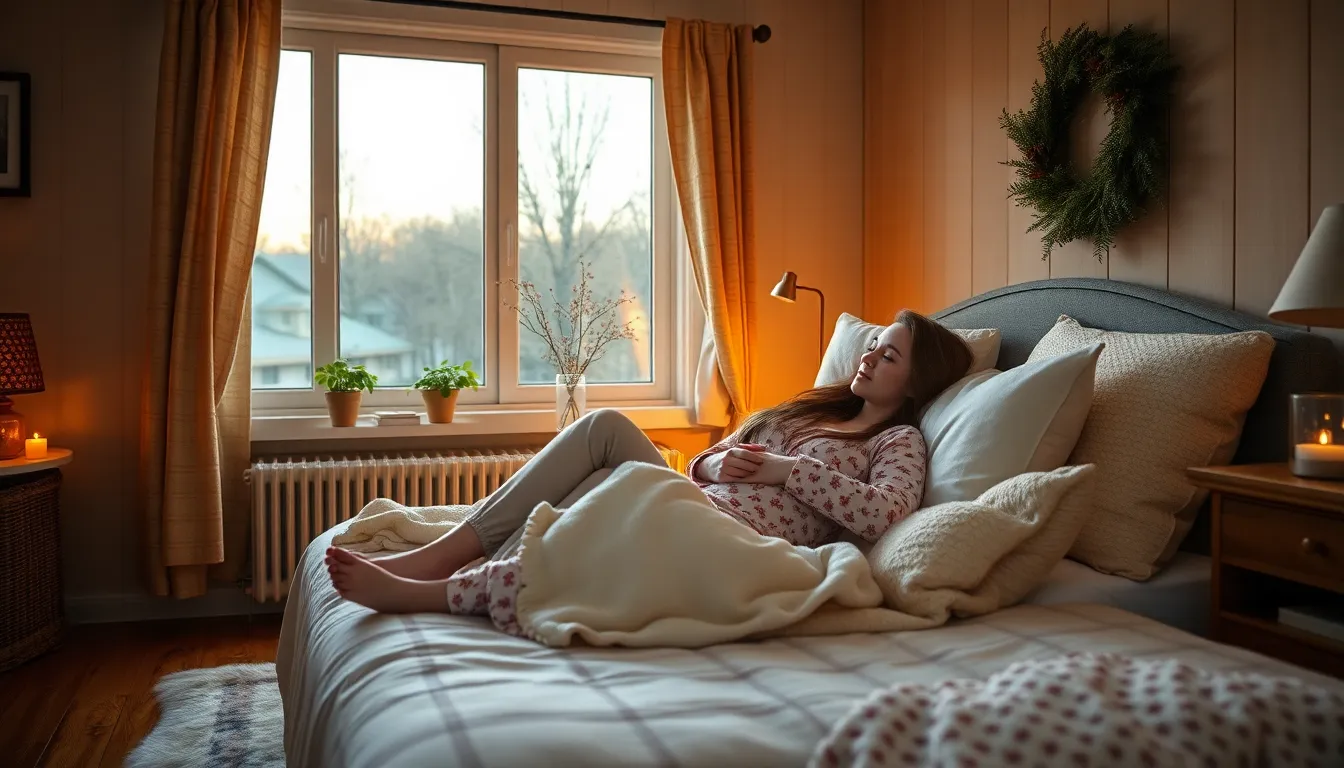
As the seasons change, so do our sleep patterns, often in ways that leave us tossing and turning like a fish out of water. Whether it’s the bright summer sun streaming through your window or the chilly winter nights that make you want to hibernate, each season brings its own unique challenges to a good night’s sleep.
But don’t worry—there’s a treasure trove of seasonal sleep advice that can help anyone catch those elusive Z’s. From cozying up in flannel sheets during winter to mastering the art of blackout curtains in summer, these tips will transform your bedroom into a sleep sanctuary. Get ready to embrace the season and say goodbye to sleepless nights, because who doesn’t want to wake up feeling like a well-rested superhero?
Understanding Seasonal Sleep Patterns
Seasonal changes significantly influence sleep patterns. Factors like light exposure and temperature fluctuations actively impact overall sleep quality.
The Science Behind Seasonal Changes
Seasonal variations in daylight affect circadian rhythms, which regulate sleep-wake cycles. Longer days during summer lead to increased light exposure. That light can delay sleep onset and reduce the amount of restorative sleep. Conversely, shorter days in winter promote earlier nightfall, potentially shifting sleep patterns towards longer sleep durations. Melatonin production, influenced by light levels, also adjusts according to seasonal changes. These biological processes help explain why individuals may feel more awake in summer and more lethargic in winter.
Impact on Sleep Quality
Seasonal shifts often contribute to variations in sleep quality. Daylight savings time can disrupt sleep schedules, creating temporary difficulties. Hot summer nights can interfere with comfortable sleep, while cold winter evenings may encourage hibernation-like behaviors. Many people experience heightened feelings of fatigue during the winter months due to less sunlight. Seasonal Affective Disorder can further influence sleep, leading to changes in mood and energy levels. Implementing seasonal sleep strategies helps in combating these effects, enabling better rest regardless of the season.
Seasonal Sleep Advice for Winter
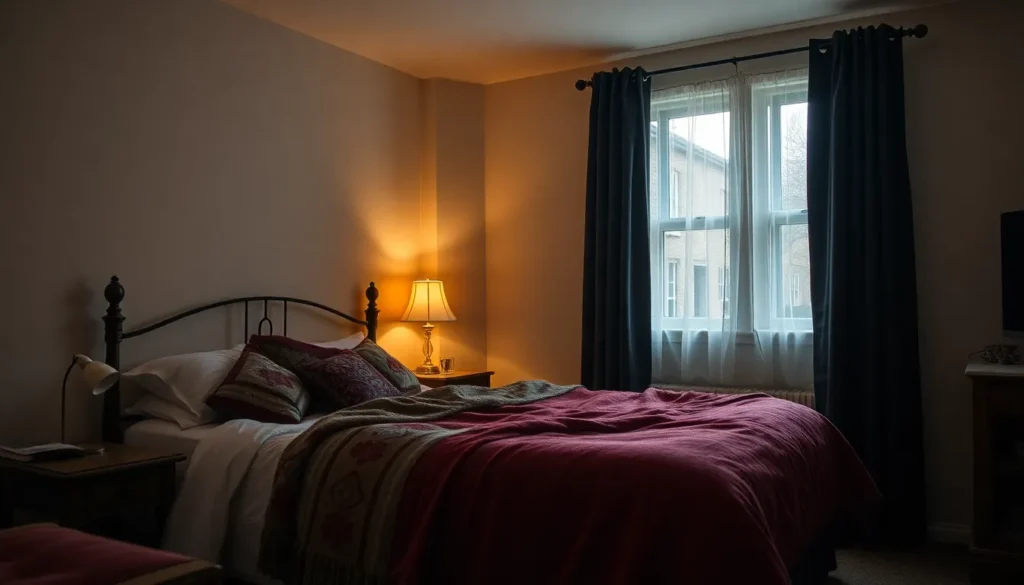
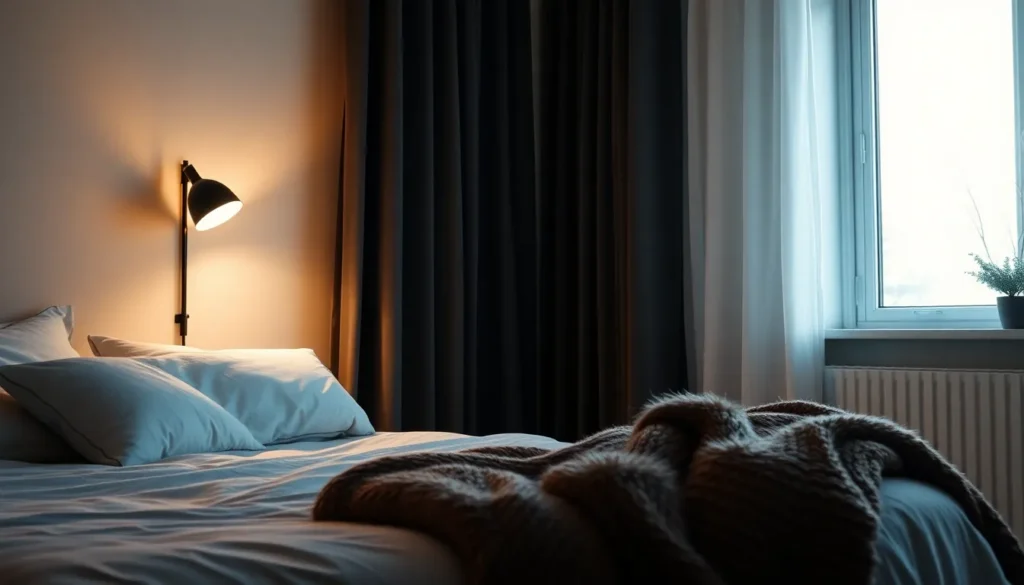
Winter brings unique challenges that affect sleep patterns. With shorter days and colder nights, adjusting sleep hygiene becomes essential.
Sleep Hygiene Tips
Establishing a bedtime routine enhances sleep quality during the winter. Keep a consistent sleep schedule by going to bed and waking up at the same time daily. Create a comfortable sleep environment by using warm bedding and blackout curtains. Maintain a cool room temperature, ideally between 60°F and 67°F, to promote restful sleep. Avoid caffeine and heavy meals close to bedtime. Engaging in calming activities, like reading or yoga, can also help relax the mind before sleep.
Managing Daylight Hours
Managing daylight hours is crucial for combating winter fatigue. Maximize exposure to natural light, especially in the morning, to help regulate circadian rhythms. Spending time outdoors during daylight can boost mood and energy levels. Utilize bright light therapy lamps during darker days to simulate sunlight exposure. Practicing mindfulness about light exposure during evenings promotes better sleep quality. Ensure screens are dimmed before bedtime to reduce blue light interference with melatonin production.
Seasonal Sleep Advice for Spring
Spring brings longer days and vibrant surroundings, influencing sleep quality and patterns. Adapting one’s sleep routine becomes crucial during this season.
Adapting to Longer Days
Light exposure increases significantly in spring, impacting circadian rhythms. Individuals should consider adjusting their bedtimes gradually to accommodate later sunsets. Starting a gradual shift about 15 minutes earlier each week can help the body adjust. Using blackout curtains can also limit light interference during sleep, allowing for better rest. Additionally, maintaining consistent wake-up times creates a stable sleep schedule, enhancing overall sleep quality.
Allergy Management for Better Sleep
Spring allergens like pollen can disrupt sleep, making effective management essential. Keeping windows closed during high pollen times reduces exposure to allergens. Implementing air purifiers can clear out indoor irritants, promoting cleaner air. Regular cleaning, including dusting and vacuuming, minimizes allergen accumulation in the home. For those with severe allergies, consulting a healthcare provider about allergy medications may provide relief, ensuring a more restful night’s sleep.
Seasonal Sleep Advice for Summer
Summer brings unique challenges that can impact sleep quality. High temperatures and lengthened daylight hours both play significant roles.
Staying Cool at Night
Creating a comfortable sleep environment during warm nights is crucial. Comfortable pajamas made of breathable fabrics help regulate body temperature. Sheer curtains can block direct sunlight while allowing airflow. Additionally, using a fan or air conditioner cools down the room effectively. Cold showers before bedtime lower body temperature, making falling asleep easier. Hydration also plays a role; drinking water throughout the day ensures the body stays cool overnight.
Dealing with Outdoor Distractions
Outdoor noise can disturb restful sleep during summer months. Closing windows reduces sounds like chirping crickets and late-night parties. Incorporating white noise machines effectively masks disruptive noises. Additionally, using earplugs makes it easier for light sleepers to ignore outside distractions. Establishing a routine signals the body to wind down, which helps combat late-night disturbances from neighbors or traffic. Regularly checking weather conditions also aids in planning outdoor activities that won’t interfere with sleep schedules.
Seasonal Sleep Advice for Fall
As days grow shorter, adjustments to sleep routines become essential. Evening darkness increases earlier, impacting natural sleep patterns.
Preparing for Shorter Days
Embrace the change by gradually shifting bedtimes to adapt to earlier sunsets. Establishing an evening routine helps signal to the body that it’s time to wind down. Incorporating calming activities such as reading creates a more relaxing atmosphere. Pay attention to natural light; maximizing exposure during daylight hours supports maintaining circadian rhythms. Using light therapy lamps can also prove beneficial, especially as sunlight decreases.
Creating a Cozy Sleep Environment
Focus on creating warmth within the bedroom to enhance comfort during fall nights. Flannel sheets serve as an ideal choice for added warmth. Incorporating plush blankets and soft pillows promotes a cozy atmosphere. Regularly adjusting the room temperature to a cooler setting encourages better sleep quality. Utilizing dim, warm lighting in the evening fosters relaxation. Incorporate soothing scents, like lavender, through essential oil diffusers to create a calming ambiance.